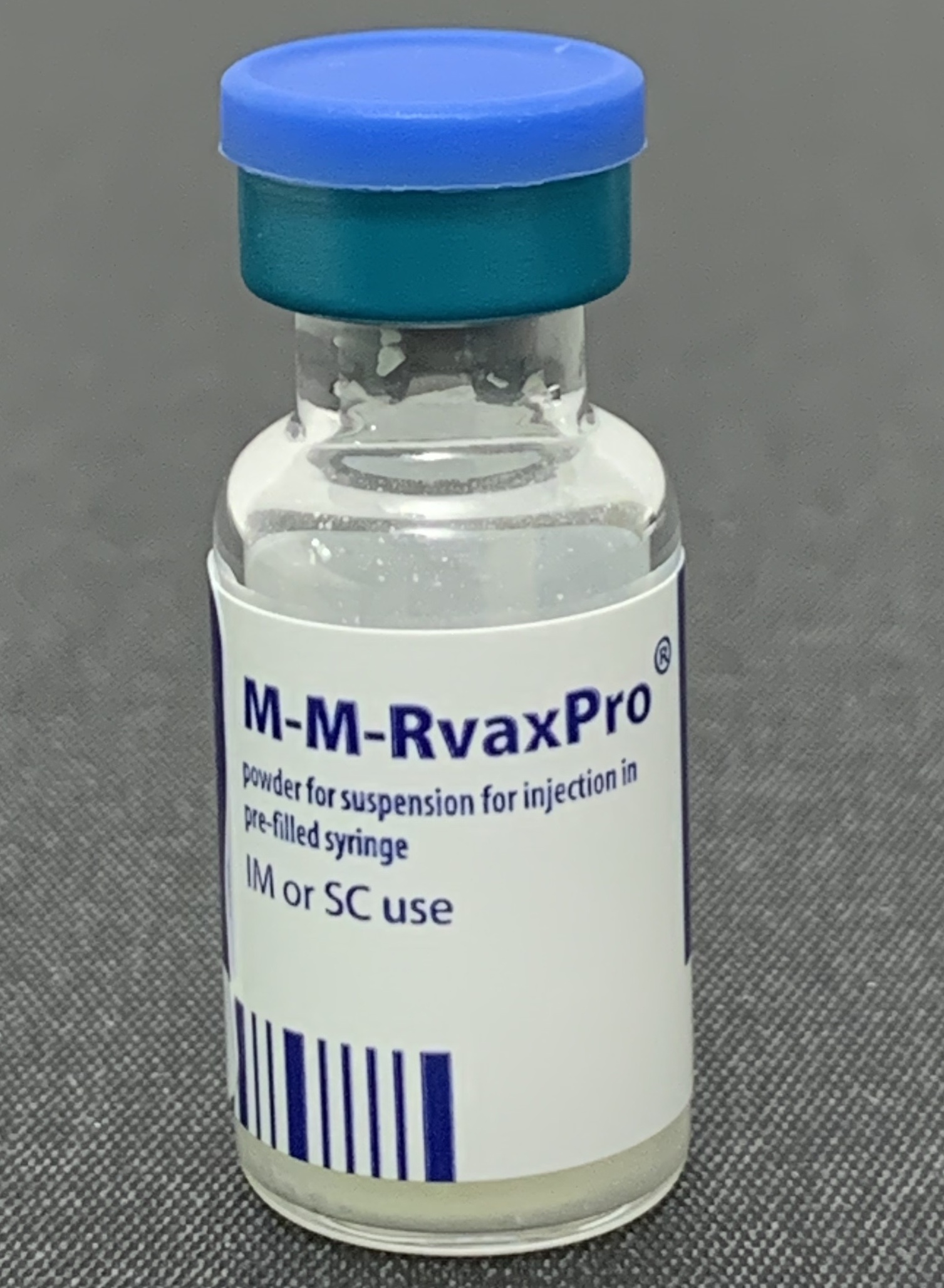
Georgia's measles count hit 22 on Tuesday, Oct. 13, after state health officials confirmed a new case in an unvaccinated Macon County resident.
The Georgia Department of Public Health (DPH) said the patient is isolating at home and had contact with a confirmed case from Pennsylvania, where an outbreak has surpassed 1,100 cases. The patient has no known travel history. Unvaccinated close contacts are quarantining, and DPH said it is working to identify others who may have been exposed.
The 22 cases in 2026 already more than double the 10 Georgia recorded in all of 2025. Earlier this year, a metro Atlanta daycare outbreak drove the state's count to 16 by mid-September.
DeKalb Public Health is urging county residents, including families in Dunwoody and Brookhaven, to check that their MMR (measles, mumps, rubella) vaccinations are current.
"Vaccination now can help prevent further spread," state epidemiologist Cherie Drenzek said in the Oct. 13 announcement. "One dose provides about 93% protection against measles, and two doses increase protection to about 97%."
The U.S. Centers for Disease Control and Prevention (CDC) recommends two MMR doses for children: the first at 12–15 months, the second at 4–6 years. Infants 6–11 months old traveling internationally should get an early dose before travel, followed by two more after their first birthday.
The CDC reported 4,080 confirmed U.S. measles cases as of Thursday, Oct. 8, the most since 1991. Pennsylvania alone accounts for more than a quarter of that total, with 1,136 cases and a 19% hospitalization rate, according to the Center for Infectious Disease Research and Policy at the University of Minnesota. Ninety-nine percent of Pennsylvania's case-patients are unvaccinated.
National MMR coverage among kindergartners fell to 92.4% in the 2025–2026 school year, down from 95.2% before the pandemic, according to CDC data. Georgia is one of 24 states where the kindergarten vaccine exemption rate tops 5%. The state's rate sits at 5.1%, with medical exemptions accounting for just 0.1%, Atlanta News First reported in September.
Measles spreads through the air when an infected person coughs or sneezes, and the virus can linger for up to two hours after the person leaves a space. Symptoms typically appear 7–14 days after exposure but can take up to 21 days. They include high fever, cough, runny nose and watery eyes, followed by a red rash that starts on the head and spreads downward.
DPH said anyone with symptoms must call a healthcare provider before visiting any office, hospital or clinic. Residents without a doctor can reach DPH's Acute Disease Epidemiology Section at 404-657-2588 during business hours, Monday through Friday, or 1-866-782-4584 on evenings and weekends.