A national campaign against automated license plate readers is launching a week of coordinated action starting Sunday, Aug. 16, and Dunwoody is one of its named targets.
The timing is no accident. Dunwoody's City Council deferred its roughly $500,000-a-year Flock Safety contract in April after residents chanted "shame" during the proceedings, and as of Aug. 12 the council had not scheduled a date to bring the renewal back.
The DeFlock campaign's National Week of Action Against ALPRs runs Aug. 16–22, with more than 400 events planned in nearly every state and about 22,000 registered participants, according to the Atlanta Community Press Collective. Twenty of those events are in Georgia. Dunwoody appears on the campaign's map of participating cities at noalprs.com.
Organizers say their recommended tactics include filing open records requests, attending city council meetings and hosting community information sessions. Ed Vogel, a DeFlock organizer, told the Atlanta Community Press Collective during an Aug. 2 organizing call that the movement's message is "surveillance isn't safety, and we want the cameras to come down."
DeFlock explicitly says it does not advocate destroying cameras, though incidents of vandalism have drawn national media attention and, according to 404 Media reporting cited by ACPC, government surveillance of the movement.
What's at stake in Dunwoody
The city operates approximately 80 automated plate readers and 25 live-view cameras through its Flock contract. At the April 13 council meeting, members unanimously approved a narrow $15,000 Flock contract for 911 dispatch technology and authorized a second Flock drone but deferred the broader camera network renewal.
Residents' objections centered on data security and the potential for Flock data to reach U.S. Immigration and Customs Enforcement. Flock does not contract directly with ICE, but local agencies with Flock systems can choose to share data with immigration officers.
Mayor Lynn Deutsch has since disclosed, in a written response published Aug. 11 by the Dunwoody Crier, that a private April 9 meeting with Flock Safety CEO Garrett Langley produced three changes: Flock will no longer use Dunwoody data for commercial demos, the system now requires multifactor authentication, and outside agencies' access has been tightened. Deutsch was responding to resident Jason Hunyar, who had challenged the meeting's secrecy through open records requests.
"A private meeting is not a secret meeting," Deutsch wrote in that Aug. 11 response.
What comes next
Based on the council's typical second-and-fourth-Monday schedule, the next meeting would fall around Aug. 25, though the city's online calendar was unavailable for confirmation. Whether the Flock contract will appear on that agenda remains unclear. DeFlock organizers have pointed to successes in Santa Cruz, California, and South Portland, Maine, where residents attending council meetings helped persuade officials to cancel surveillance contracts.
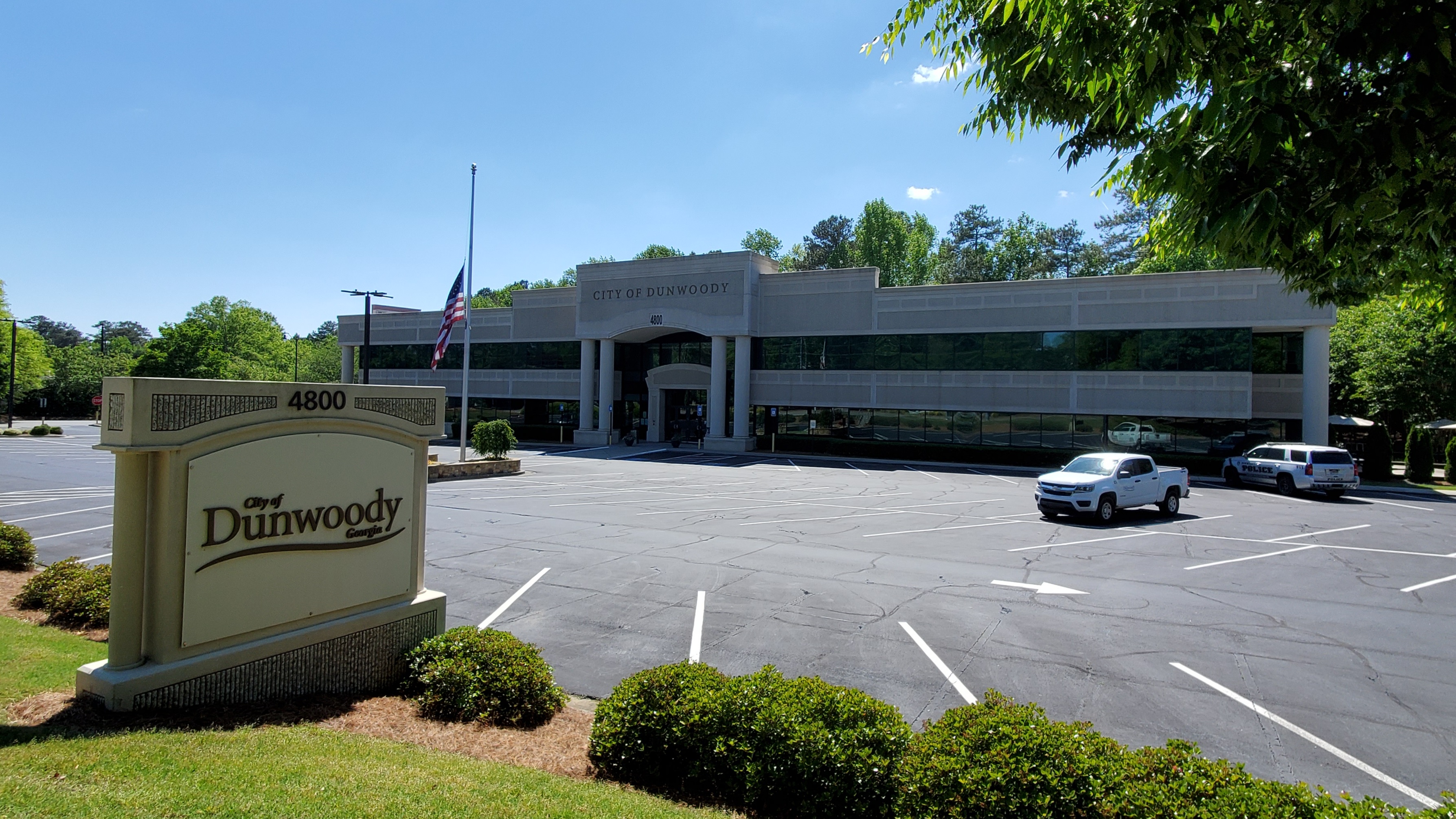
Dunwoody residents who want to weigh in can monitor the city's meeting agendas at dunwoodyga.gov or attend the next council session at City Hall.