Social media platforms operating in Georgia must now verify users' ages and get parental consent before letting anyone under 16 create an account.
The 11th U.S. Circuit Court of Appeals ruled Thursday, Oct. 15, that the state can enforce Senate Bill 351 (SB 351), according to FOX 5 Atlanta. The decision vacated a preliminary injunction that had blocked the law since June 2025 and returned the case to a federal district court in Atlanta.
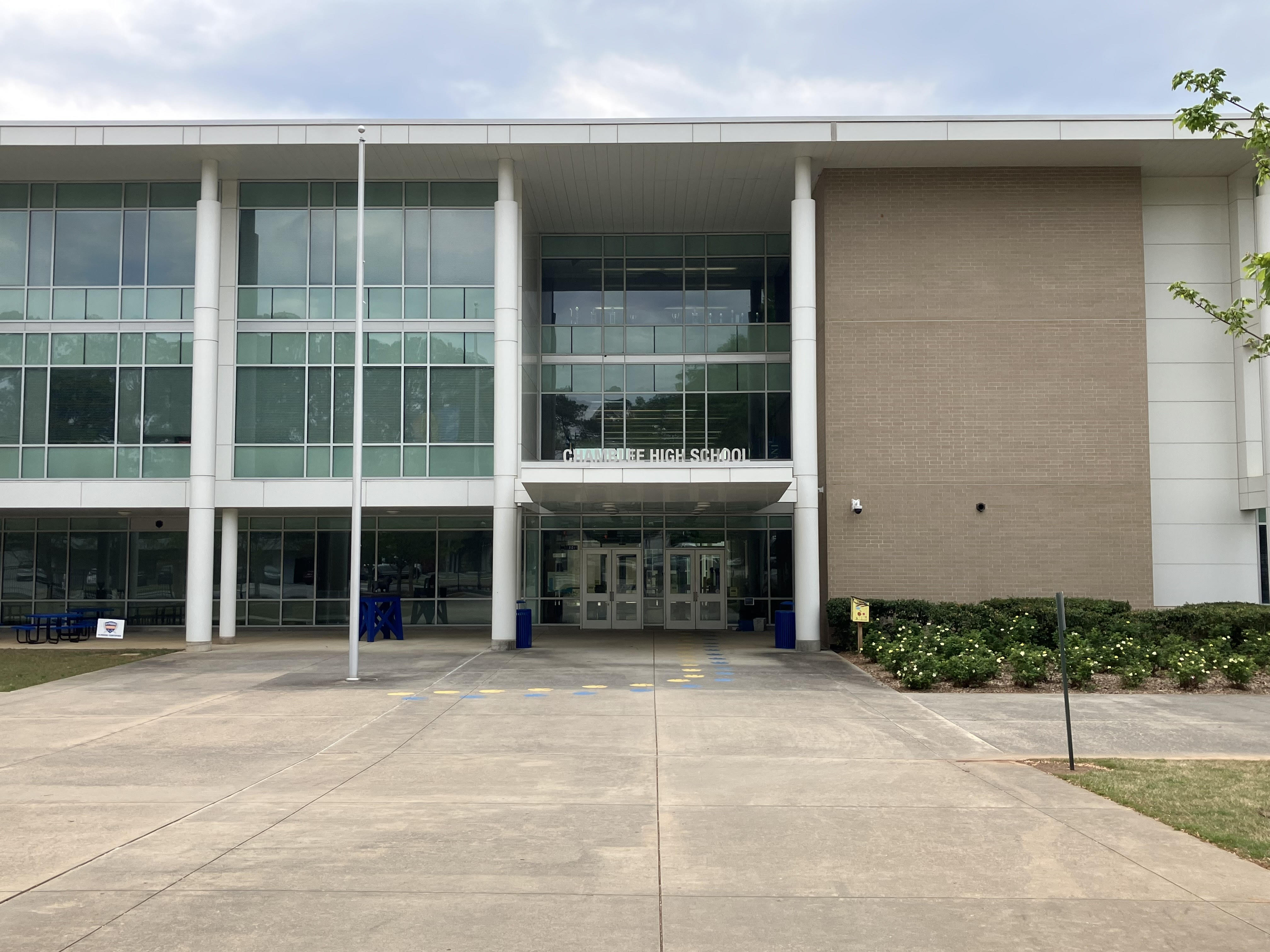
For families at Dunwoody High School, Chamblee Charter High School and other DeKalb County schools, the ruling means platforms like Instagram and Facebook will need to confirm a parent or guardian's permission before a child under 16 can sign up. The law also limits platforms' ability to use minors' personal information for targeted advertising.
Gov. Brian Kemp signed SB 351 in 2024. The law was scheduled to take effect July 1, 2025, but NetChoice, a trade association representing Meta, Google and Amazon, sued Georgia Attorney General Chris Carr to block it. NetChoice alleged the law violated the First Amendment and was unconstitutionally vague.
The appeals court found NetChoice had not shown it was likely to win its challenge. The panel also rejected arguments that the law's language was too vague and that its advertising restrictions conflicted with Section 230 of the federal Communications Decency Act.
"This is a major win for Georgia families and a huge blow to those who would stand in the way of commonsense solutions to protect our kids," Carr said in a statement after the ruling.
Paul Taske, director of the NetChoice Litigation Center, pushed back. In a statement posted on X, Taske said the court "notably did not hold that SB 351 is constitutional" and that NetChoice is evaluating its next legal steps. The group argues the law forces all Georgia users to hand over personal information to access lawful speech online.
Platforms that fail to make "commercially reasonable efforts" to verify ages face fines of up to $2,500 per violation if they do not fix the problem within 90 days, according to The Center Square.
Services used mainly for email, streaming, shopping, gaming, video conferencing, cloud storage and education are exempt.
The ruling arrives as DeKalb County School District (DCSD) already tightens students' access to devices. According to a DCSD announcement, the district is enforcing Georgia House Bill 1009, the Distraction-Free Education Act. The law bans personal electronic devices for students in kindergarten through eighth grade during the school day starting no later than July 1, 2026. The same restriction extends to high schoolers by July 1, 2027.
State Sen. Sally Harrell, a Democrat whose District 40 covers Brookhaven, Chamblee, Dunwoody and Doraville, said she had helped pass legislation to make online experiences safer for children. She listed that work among her recent accomplishments in an Oct. 12 candidate Q&A with Appen Media.
The broader constitutional questions around SB 351 remain unresolved. NetChoice may continue its challenge in district court, focusing on how the law applies to specific platforms.