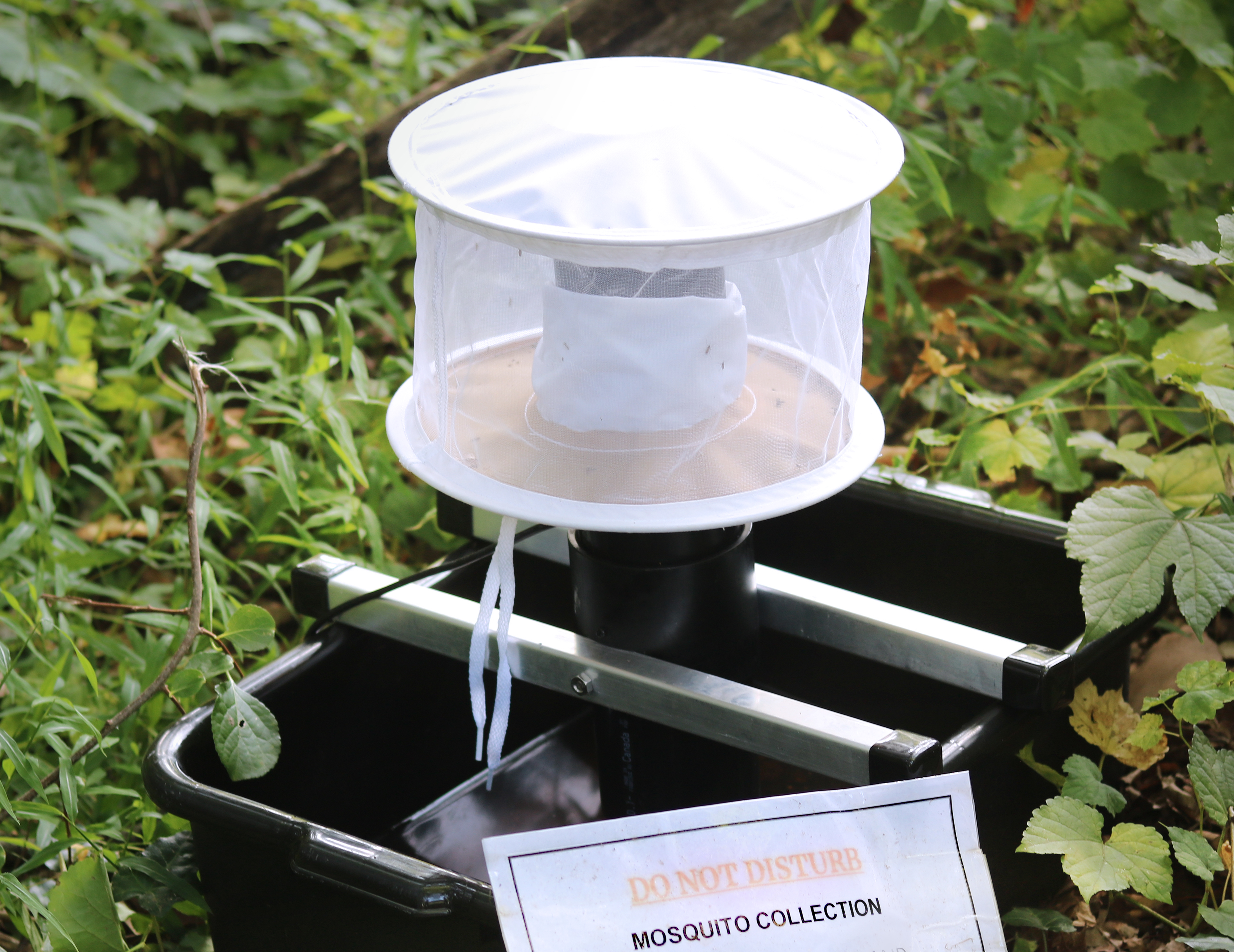
DeKalb County's West Nile virus mosquito count climbed to eight positive traps after lab results confirmed Aug. 24 that another infected sample was detected, keeping Brookhaven residents under the county's health alert one week after a trap in their own ZIP code tested positive.
The latest trap was stationed in ZIP code 30316, covering East Atlanta and unincorporated DeKalb, according to a DeKalb Public Health press release reported by Fox 5 Atlanta. No human cases of West Nile virus have been confirmed in DeKalb County in 2026.
The Aug. 24 announcement follows a steady escalation since July 22, when the county's first two positive traps turned up in the Redan area (30088) and Doraville (30360). Four more were confirmed Aug. 17 in Avondale Estates, Clarkston, unincorporated DeKalb near Stonecrest and unincorporated DeKalb near Doraville. Trap No. 7, confirmed Aug. 18 in ZIP code 30329, put Brookhaven, Chamblee and North Druid Hills directly on the map.
Neighboring Fulton County has reported one positive trap. Statewide, two human cases have been confirmed this year in Muscogee and Chatham counties, according to CDC data reported by Atlanta News First. Neither DeKalb nor Fulton has reported a human infection.
DeKalb's last confirmed human cases were in 2023, when three people tested positive in southeast Atlanta/DeKalb, Lake Claire and North Druid Hills.
What residents should do
DeKalb Public Health is urging residents to cut mosquito breeding grounds and protect themselves outdoors:
- Dump standing water from planters, toys, wheelbarrows and old tires at least once a week.
- Clear gutters and trim tall grass, weeds and vines where mosquitoes rest.
- Check screens on windows and doors for tight fit.
- Limit time outside at dawn and dusk, when West Nile-carrying mosquitoes are most active.
- Use EPA-registered repellent containing DEET, picaridin, oil of lemon eucalyptus or IR3535. Permethrin can be sprayed on clothing. Long sleeves, pants and socks add a physical barrier.
The county also deploys larvicide in storm drains and other standing-water sites to kill mosquito larvae before they mature. DeKalb Public Health said in an Aug. 3 statement that the larvicides do not harm people, pets or the environment.
Symptoms to watch
Most people infected with West Nile virus never feel sick. About one in five develop fever, headache, body aches, joint pain, vomiting, diarrhea or rash. About one in 150 develop serious illness that can include neck stiffness, disorientation and muscle weakness, according to the CDC.
Residents who want a mosquito assessment or have questions can call DeKalb Public Health's Environmental Health division at 404-508-7900 or visit dekalbpublichealth.com/mosquitocontrol.