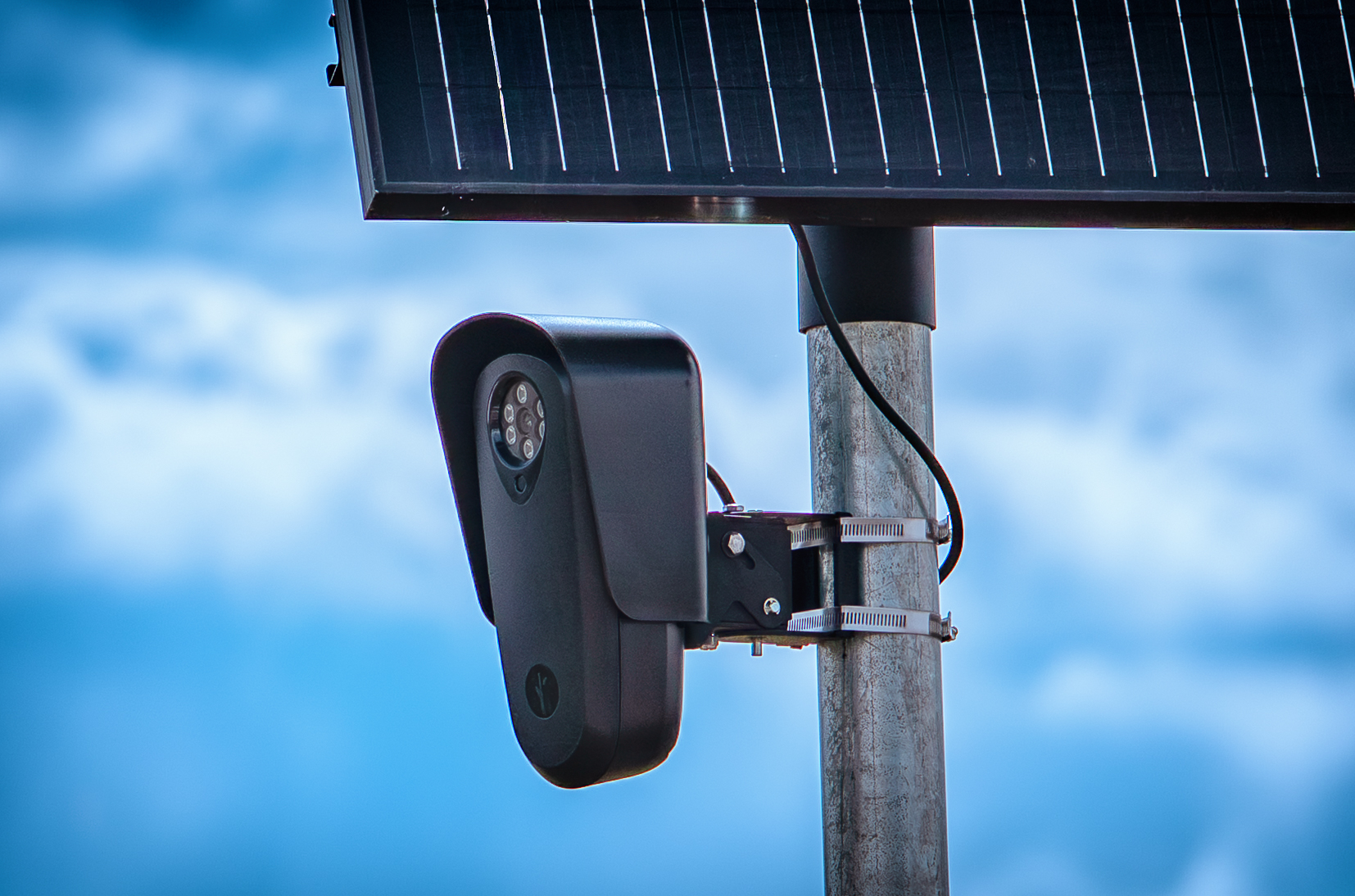
Dunwoody will scrutinize how its Flock Safety cameras have been used after the surveillance company overhauled its privacy rules, Councilman John Heneghan announced Tuesday, Aug. 18.
The city will first review Flock's updated policy changes, followed by the council requesting an examination of the public Flock Transparency Portal the company referenced in its announcement, Heneghan said on X. The Dunwoody Police Department already publishes a portal showing its policies, data retention period, sharing partners and search activity through a link on the city's Transparency & Data Sharing Initiative page.
The portal review is new ground.
It comes days after Flock Safety rolled out updated Privacy, Accountability, Security and Transparency safeguards that cut the company's default data retention from 30 days to seven and made misuse-detection tools mandatory for all law enforcement customers.
What Flock changed
Flock CEO Garrett Langley published the updated safeguards on Thursday, Aug. 13, in a blog post and video statement. Key changes include:
- Default data retention drops from 30 days to 7 days for new customers. Existing agencies keep their current retention periods unless they opt in.
- A new "Evidence Mode" preserves specific data tied to active investigations.
- Audit Assistance, which flags abnormal search activity for supervisor review, becomes mandatory for all law enforcement customers by year's end. More than a third of Flock's agencies had already adopted it voluntarily.
- Automatic lockouts will block further searches when user activity meets criteria for abnormal behavior.
- Case codes will be required for all law enforcement searches by end of 2026.
- New "offense filtering" lets cities restrict which types of crimes allow outside agencies to search their cameras.
"If we're going to build tools this powerful, we have an obligation to help protect the public from the small number of officers that misuse them," Langley told WRAL.
The ACLU called the shorter retention a potential step forward but recommended a 48-hour retention period, according to Stateline. The civil liberties group warned that if searches cause data to be preserved, significant location information could remain available well beyond seven days.
Dunwoody's ongoing debate
The council's request adds a new layer to a surveillance debate that has consumed Dunwoody for months. The city operates roughly 80 automated license plate readers and 25 live-view cameras under an approximately $500,000-a-year Flock contract. The council deferred renewing the bulk of that contract on Aug. 8 after organized resident opposition over privacy and immigration enforcement concerns. No date has been set to revisit the decision.
Dunwoody resident Jason Hunyar, who built the "Have I Been Flocked" website compiling Flock audit logs from public records requests, has been the city's most visible Flock critic. "If your city is using Flock, you can search 'Have I Been Flocked,' search by these agencies and see what searches are being done," Hunyar told 11Alive on Aug. 13.
Nationally, more than 50 agencies or communities have canceled, suspended or rejected a Flock contract since the beginning of 2026, according to DeFlock, a grassroots group tracking license plate reader deployments. More than 1,500 agencies have activated Flock Transparency Portals, the company said.
Heneghan's announcement did not specify who will conduct the portal review, what data points the council wants examined, or when it will be completed. No next meeting date for the deferred Flock contract has been scheduled.