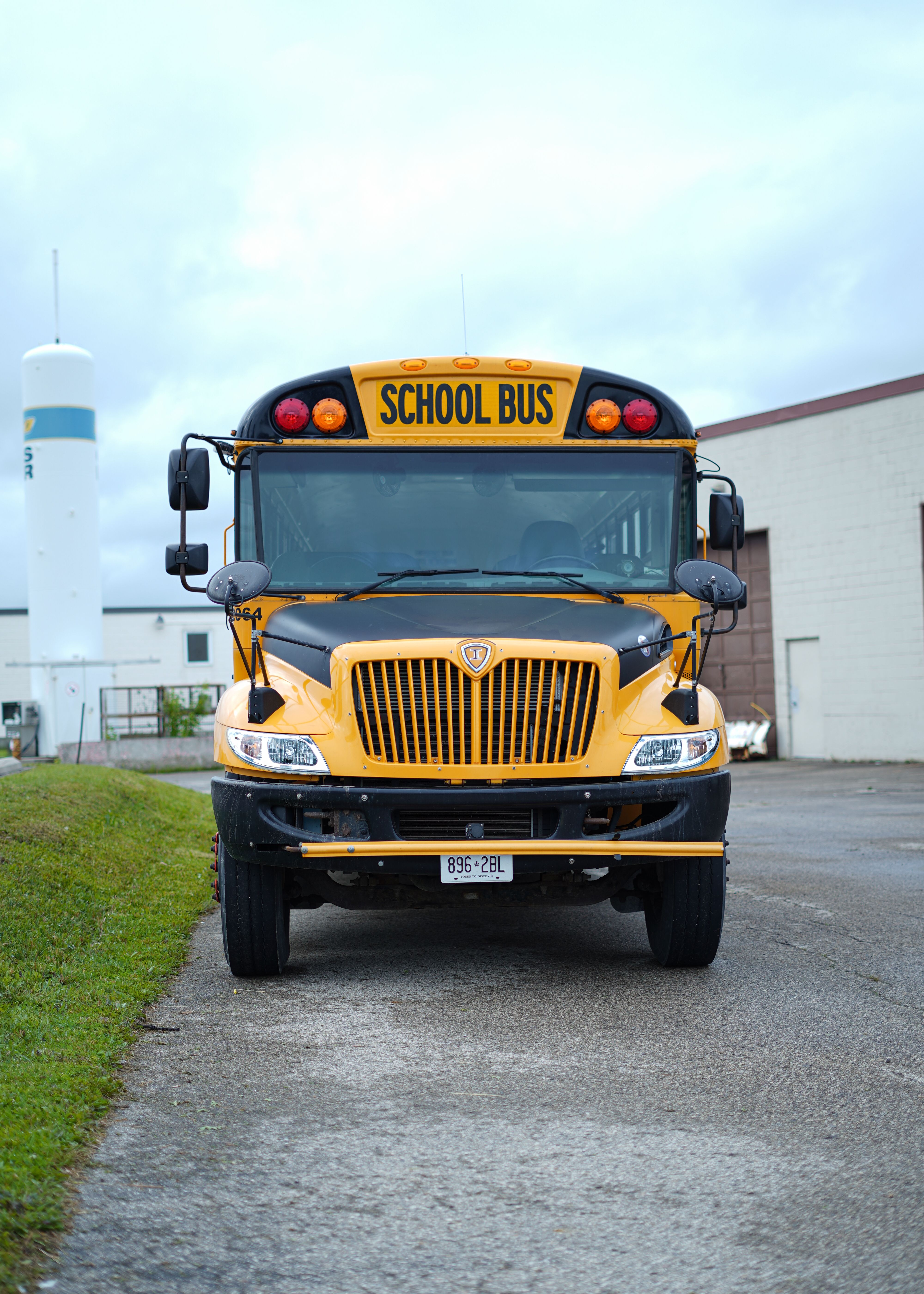
DeKalb County Schools will put 75 electric school buses on the road by the end of August, giving the district what Transportation Director Bernando Brown calls Georgia's largest electric school bus fleet just as students head back to class.
The buses cost about $400,000 each but were paid for entirely by two outside grants worth tens of millions of dollars, meaning no local education dollars covered the purchase price. Brown told 11Alive the savings on fuel alone are significant: each electric bus costs roughly $15 per day to charge, compared to the rising diesel prices that have squeezed the district's budget.
"The buses are a lot quieter; the students can focus and study a little bit more on there," Brown said. "They don't have to talk as loud. They will enjoy the ride."
About 45,000 of DeKalb's 91,000 students ride a bus on a typical school day, and the district needs roughly 700 buses in active service to cover its routes. Dunwoody and Brookhaven families are among those served by the fleet, though the district has not specified which routes will get electric buses first.
The 75 new buses, built by Blue Bird Corporation in Fort Valley, Georgia, took about two years to arrive because they are built to order. They weigh approximately 11 tons, heavier than traditional diesel buses, so the district is planning routes carefully to avoid roads and bridges that cannot handle the extra weight. Brown said the district won't send the heavier buses anywhere the weight could cause problems.
The savings add up.
Charging infrastructure is still being installed at district facilities, a step that must be completed before students can board the electric buses. No specific completion date beyond "end of August" has been announced.
What it means for the budget
District leaders say the grant-funded purchase price and lower daily operating costs free up education money for student resources. Nationally, school districts save an average of $7,000 per year in operating expenses when switching a single bus from diesel to electric, according to a K12 Dive report citing the World Resources Institute.
The electric buses join a fleet that already includes 199 propane-powered buses. As we reported July 27, DeKalb began replacing diesel buses with propane models after fuel prices topped $5.50 a gallon. The electric fleet is a separate initiative, funded by different grants.
DeKalb's overall fleet numbers about 1,100 buses, so the 75 electric additions represent a small but growing share of the vehicles carrying students across the county this fall.