DeKalb Public Health urged Dunwoody and Brookhaven families to check their children's MMR vaccination status after Georgia confirmed five new measles cases Wednesday, Sept. 30, pushing the state's 2026 total to 21.
The Georgia Department of Public Health (DPH) said the five patients are siblings in a Jasper County family who were either unvaccinated or under-vaccinated. At least one had a history of out-of-state travel. The cases are not connected to the earlier Cobb County outbreak that began in August and grew to 10 cases, a majority involving children as young as one, according to the DPH release.
Measles is highly contagious.
DPH said it is working to identify anyone who may have been exposed through contact with the family. Eric Nickens Jr., communications and media relations manager at DeKalb Public Health, distributed the statewide alert to DeKalb County residents.
Decade high
Georgia had 10 confirmed measles cases in all of 2025. The 21 cases so far in 2026 mark the state's highest total in the last decade, surpassing 18 cases in 2019, CBS News Atlanta reported.
Nationally, 3,659 measles cases had been reported as of Sept. 25, the majority in patients 19 or younger, according to Centers for Disease Control and Prevention (CDC) data cited by CBS News Atlanta. That figure is nearly 1,400 more than all of 2025.
Benjamin Lopman, an infectious disease epidemiologist at Emory University's Rollins School of Public Health, told the Champion Newspaper in Sept. 9 coverage of the metro Atlanta daycare outbreak that the state is seeing clusters "because there are unvaccinated pockets of people."
Vaccination gap
Georgia's kindergarten vaccination rate stands at 86.8%, well below the 95% threshold epidemiologists say is needed to prevent localized outbreaks, according to federal data reported by Atlanta News First in August. The state's kindergarten vaccine exemption rate is 5.1%, with medical exemptions accounting for just 0.1%, per Atlanta News First's September reporting.
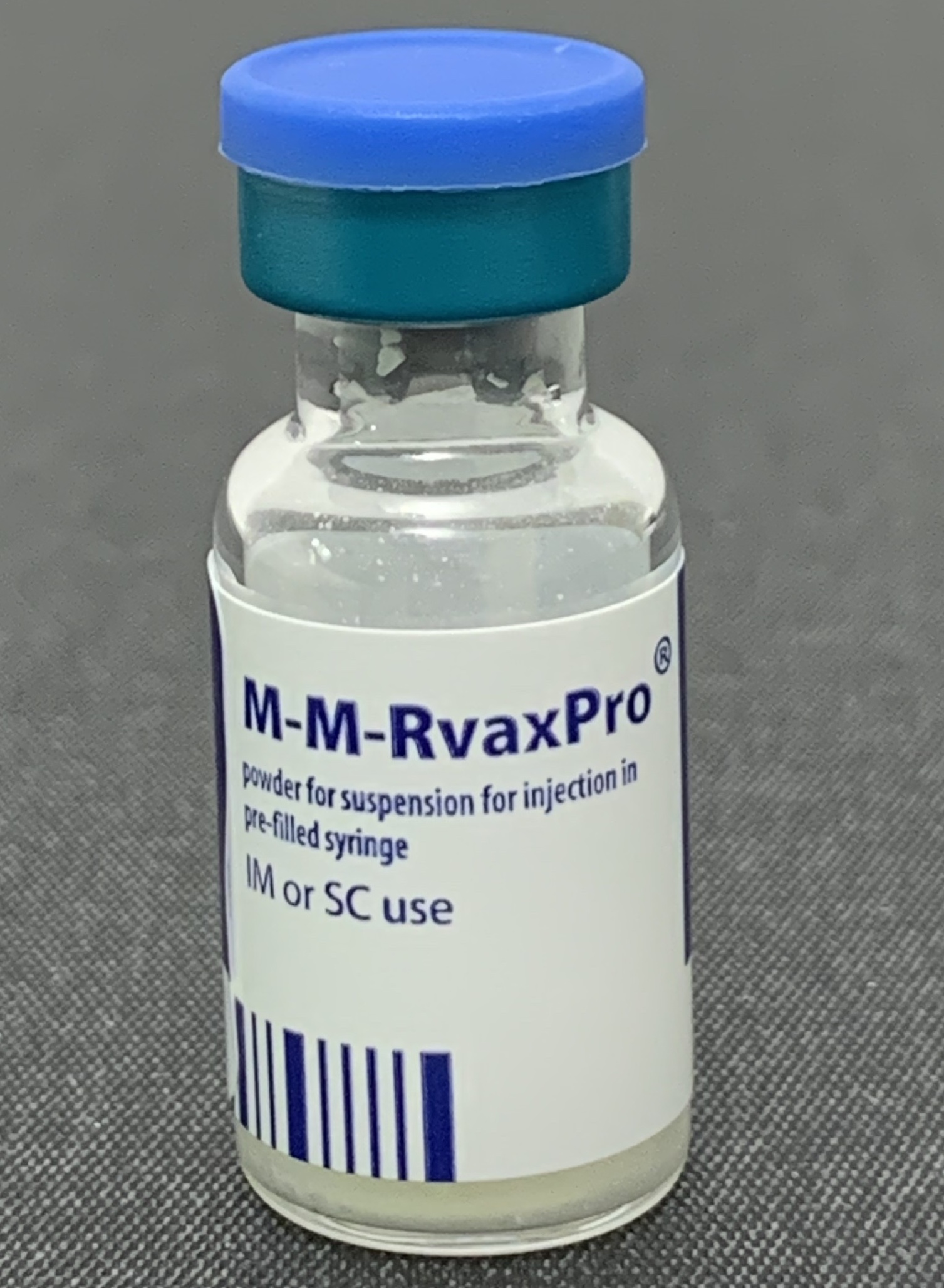
The CDC recommends children receive their first MMR dose between 12 and 15 months and a second between ages 4 and 6. DPH said a single dose produces immunity in more than 95% of recipients, and a second dose raises protection to about 98%.
What to do if exposed
DPH said measles symptoms typically appear 7 to 14 days after exposure but can take up to 21 days. Signs include high fever, cough, runny nose and watery eyes, followed by a rash of tiny red spots that starts at the head and spreads downward.
Anyone who develops symptoms should call a healthcare provider before visiting a doctor's office, hospital or clinic. The DPH Acute Disease Epidemiology Section can be reached at 404-657-2588 Monday through Friday during business hours or 1-866-782-4584 on evenings and weekends.