Four more mosquito traps tested positive for West Nile virus in DeKalb County, pushing the season total to 14 and bringing confirmed detections closer to Brookhaven.
DeKalb Public Health confirmed the new positives the week of Sept. 22, WSB-TV reported. One of the four flagged areas is ZIP code 30341, which covers parts of Chamblee and unincorporated DeKalb just south of Brookhaven. The other three positives were in ZIP codes 30032 (Belvedere Park and Candler-McAfee), 30058 (Lithonia and Stonecrest) and 30084 (Tucker).
No DeKalb residents have contracted the virus. Zero human cases have been confirmed in the county in 2026, according to DeKalb Public Health.
The virus has been spreading elsewhere in the state. The Georgia Department of Public Health (DPH) confirmed eight human cases statewide and one death as of a Sept. 17 news release, according to WABE. The DPH said that number is expected to rise as mosquito season continues through October.
Closer to Brookhaven
The 30341 positive is the latest in a northward creep of confirmed traps toward Dunwoody and Brookhaven. On Sept. 11, DeKalb Public Health announced its first positive trap in Brookhaven itself, in ZIP code 30319. A trap in North Decatur's 30033 ZIP code also tested positive that same day, according to Fox 5 Atlanta.
The county's first positive traps of the season were confirmed July 22. Additional positives followed on Aug. 17, Aug. 18, Aug. 24 and Sept. 11 before the latest batch. The last confirmed human cases in DeKalb County were in 2023, according to The Champion Newspaper.
Risk and symptoms
Nationally, more than 2,146 human cases and 172 deaths were connected to West Nile virus in 2025, CBS News Atlanta reported, citing U.S. Centers for Disease Control and Prevention (CDC) data. Georgia recorded 18 confirmed cases last year.
The CDC says most people infected with West Nile show no symptoms. When symptoms appear, they typically develop within two to six days and can include fever, headache, body aches and rash. Seniors, people with compromised immune systems and those with underlying medical conditions face greater risk of severe complications, including infection of the central nervous system, according to the DPH.
What residents can do
Eric Nickens Jr., DeKalb Public Health's communications manager, has urged residents to take precautions. The department recommends these steps:
- Dump standing water from flowerpots, toys, buckets and wheelbarrows at least once a week.
- Trim tall grass, weeds and vines where mosquitoes rest.
- Check that window and door screens fit tightly.
- Limit time outdoors at dawn and dusk, when mosquitoes are most active.
- Use insect repellent containing DEET, picaridin, oil of lemon eucalyptus or IR3535.
- Wear long sleeves, long pants and socks outdoors.
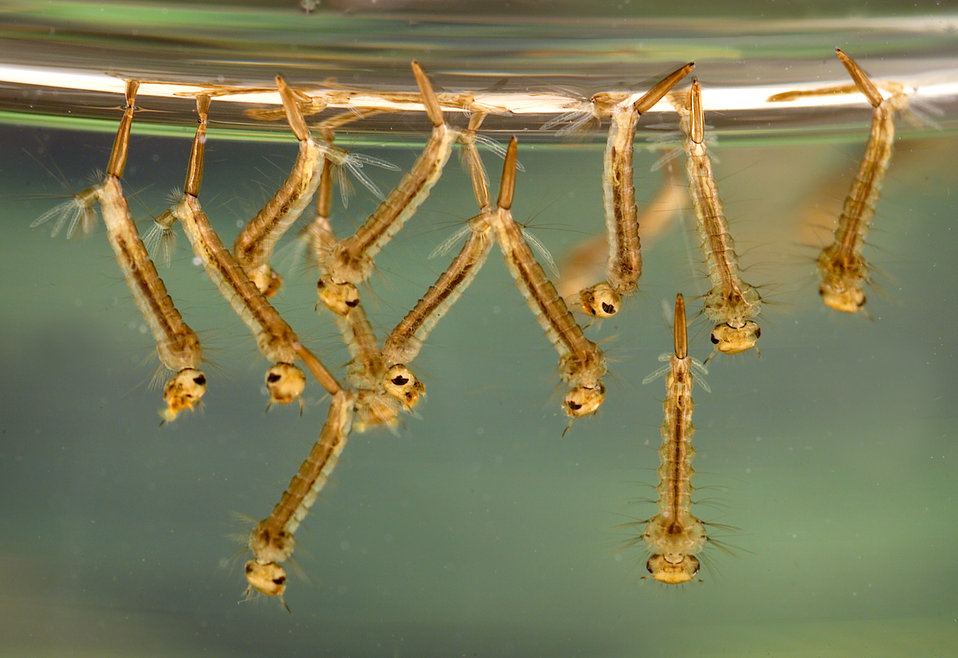
The county also places larvicide in storm drains and other standing-water areas to prevent mosquito larvae from maturing. DeKalb Public Health said the larvicides do not harm people, pets or the environment.
Residents can contact DeKalb Public Health's Environmental Health division at (404) 508-7900 or visit dekalbpublichealth.com/mosquitocontrol for more information.