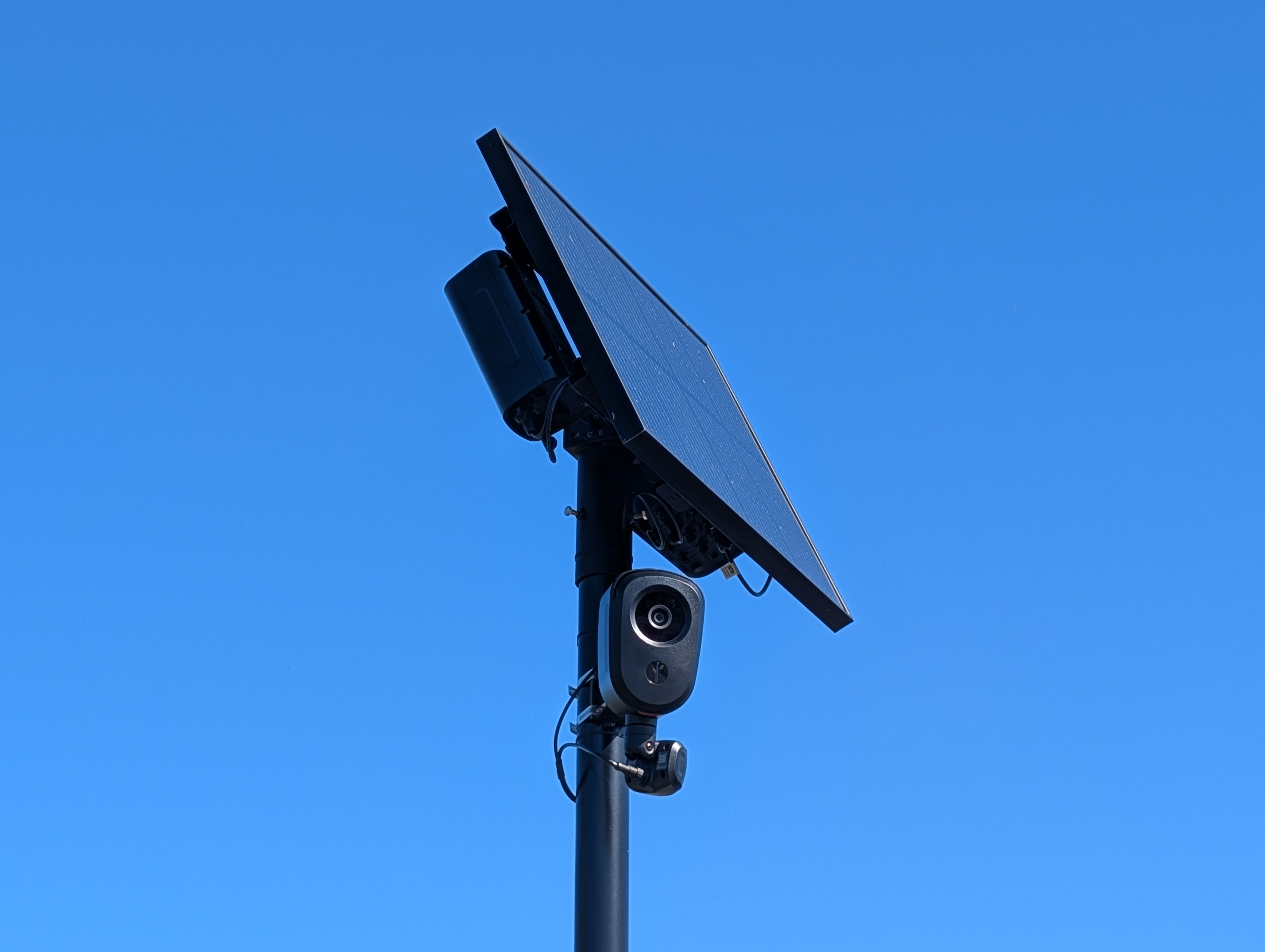
DeKalb County commissioners rejected a proposal Tuesday, Nov. 10, seeking independent civilian oversight of the county’s police surveillance technology.
Atlanta News First’s updated coverage confirms the decision. The measure would have asked the county administration to establish outside oversight and auditing of its surveillance network.
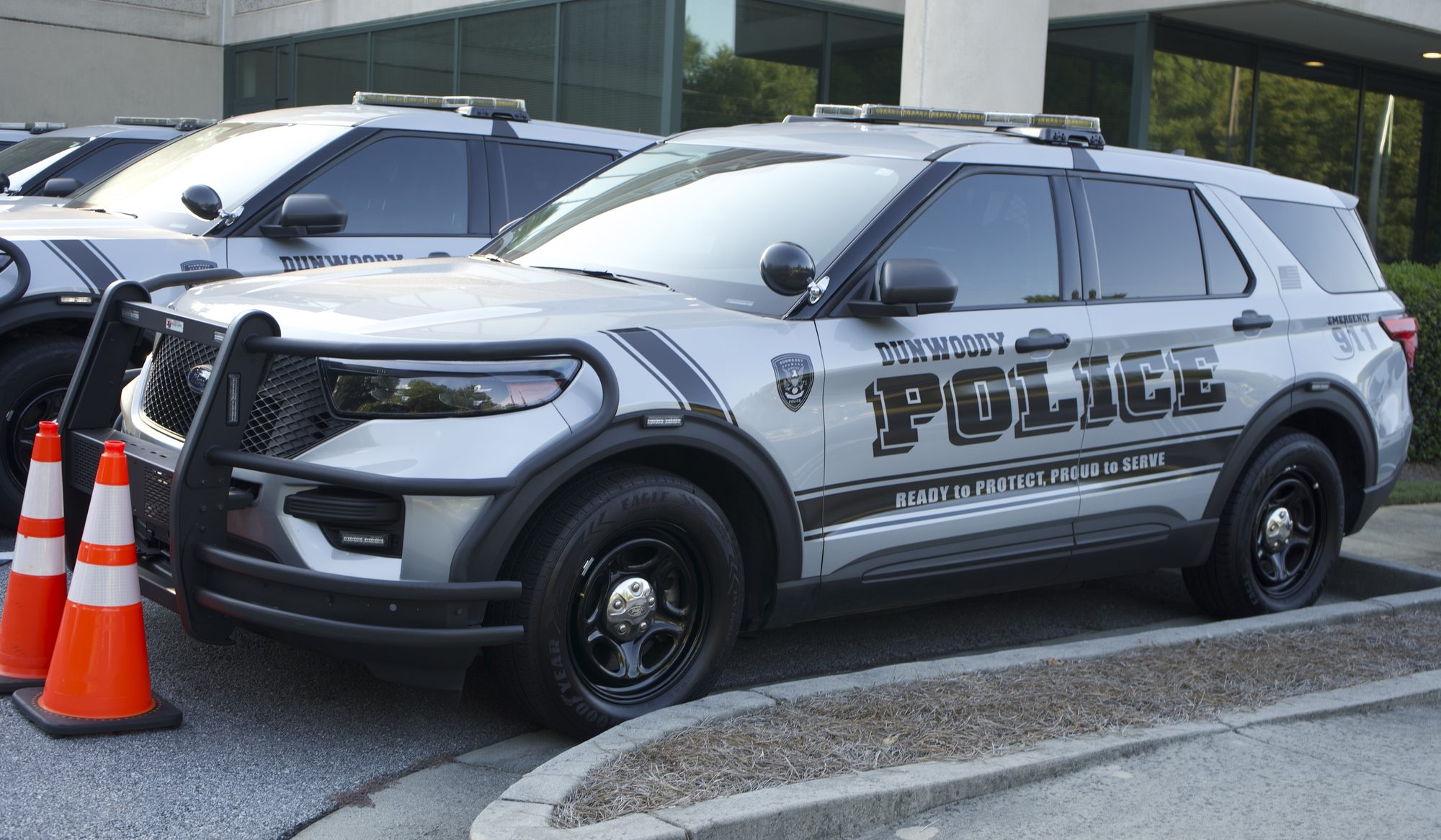
For Dunwoody residents, the debate highlights questions about access to license plate data, although the city operates its own camera program with separate policies.
What Terry proposed
The county’s meeting record identifies Resolution 2026-0769 as a request for independent oversight of DeKalb’s Digital Shield initiatives and surveillance infrastructure.
In a release issued ahead of the vote, Super District 6 Commissioner Ted Terry said the proposal followed an internal audit that found county officers violated policies governing Flock license plate readers.
His office said the Employee Relations and Public Safety Committee had voted 3-0 against recommending the resolution.
Terry called for using the American Civil Liberties Union’s Community Control Over Police Surveillance framework. He also argued that the county should cancel its Flock contracts if it would not establish independent oversight.
That demand was Terry’s position. The rejection of his resolution does not itself cancel the contracts.
Dunwoody’s separate safeguards
Dunwoody’s published Flock policy requires authorized users to document a legitimate law enforcement purpose for each search, using a case number, incident number or other justification.
Searches are logged and audited every 30 days. The city says misuse can lead to termination and possible criminal charges.
License plate data is ordinarily retained for 30 days, with exceptions for evidence, investigations, records requirements or legal proceedings.
The city also distinguishes license plate readers from continuous video surveillance: its readers capture still images of passing vehicles and plates.
The county proposal did not establish new rules for Dunwoody’s separately operated system.
Checking publicly released search records
The independent website Have I Been Flocked compiles audit logs obtained through public records requests.
Drivers can search available records for queries involving their plates. The database is incomplete, however, so a search returning no results does not prove that an agency never queried a vehicle.